
Anatomy cadaver courses are a fundamental part of medical education, providing students with an opportunity to learn about the human body through hands-on experience. These courses involve the dissection and study of real human bodies, offering a unique learning experience that cannot be replicated through textbooks or models.
Through anatomy cadaver courses, students are able to gain a deeper understanding of the structure and function of the human body. This hands-on approach allows them to explore the intricacies of the human anatomy in a way that fosters critical thinking and problem-solving skills. Overall, anatomy cadaver courses play a crucial role in shaping the next generation of healthcare professionals.
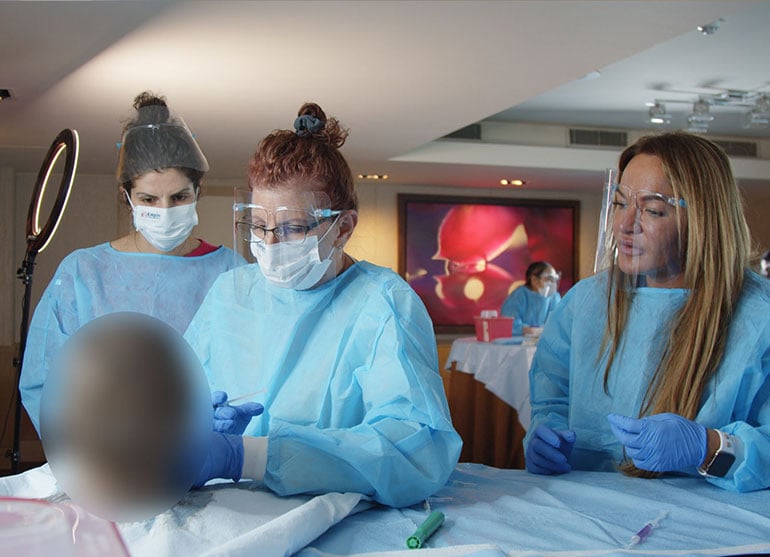
Anatomy Cadaver Courses: A Unique Learning Experience
Through anatomy cadaver courses, students have the opportunity to delve into the intricacies of the human body in a hands-on manner. By dissecting real human bodies, they can explore different anatomical structures and gain invaluable insights that textbooks simply cannot provide. This immersive experience fosters a deeper understanding of the human anatomy, allowing for a holistic approach to learning that is essential for aspiring healthcare professionals. For those interested in pursuing a career in aesthetics, participating in a cadaver course for aesthetic training can offer specialized knowledge and skills that are tailored to this field.
Critical Thinking in Anatomy Cadaver Courses
Anatomy cadaver courses not only enhance students’ understanding of the human body but also sharpen their critical thinking and problem-solving abilities. By navigating through complex anatomical structures firsthand, students are challenged to think analytically and make connections between different parts of the body. This process of discovery not only solidifies their knowledge of anatomy but also hones their ability to approach clinical scenarios with a well-rounded perspective. The hands-on nature of these courses makes them an essential component of medical education, empowering students to become competent and compassionate healthcare providers.
In conclusion, anatomy cadaver courses provide a unique and immersive learning experience that is essential for aspiring healthcare professionals. By dissecting real human bodies, students can gain a deeper understanding of the human anatomy and develop critical thinking and problem-solving skills. This hands-on approach not only enhances their knowledge but also prepares them to approach clinical scenarios with a well-rounded perspective. Overall, anatomy cadaver courses play a crucial role in shaping the next generation of healthcare providers, empowering them to become competent and compassionate professionals in their field.