
Swimming pools provide countless hours of joy and entertainment, especially during the hot summer months. However, it is essential to remember that swimming pools can also pose significant risks, particularly when it comes to safety. Every year, numerous accidents and tragedies occur in and around swimming pools, many of which could have been prevented with the right safety measures in place. Therefore, it is crucial for pool owners and users to be aware of and implement proper swimming pool safety protocols to ensure a fun and secure swimming experience for everyone.
From young children to skilled swimmers, everyone should be familiar with swimming pool safety guidelines to minimize the chance of accidents. This article aims to provide a comprehensive overview of swimming pool safety, covering essential aspects such as pool barriers and enclosures, supervision protocols, emergency preparedness, and proper pool maintenance. By acquainting yourself with these safety measures and making them a priority, you can enjoy all the pleasures of swimming while reducing the associated risks and maintaining a safe environment for yourself, your family, and your guests.
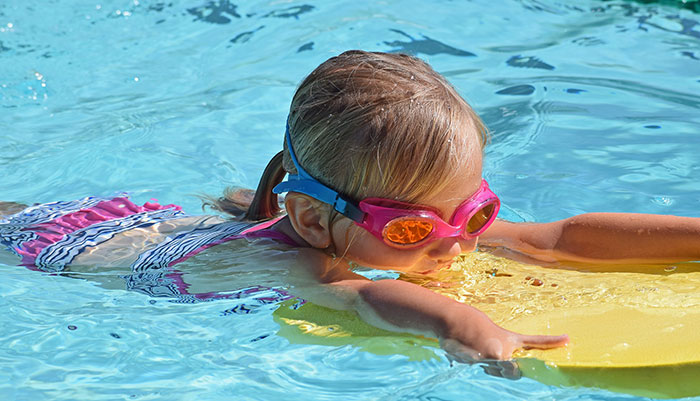
Swimming Pool Safety Protocols
Ensuring the safety of individuals using swimming pools is of utmost importance. To maintain a secure environment, various safety protocols must be followed. Firstly, proper signage should be displayed around the pool area, including warnings about deep ends, diving boards, and the presence of a lifeguard. Additionally, pool gates should always remain locked when not in use to prevent unauthorized access. It is also crucial to regularly maintain the pool and its equipment, such as checking water quality and ensuring the presence of functioning life-saving devices. Lastly, pool users should be educated about safety practices, such as swimming with a buddy and avoiding running near the pool.
For more information on swimming pool safety protocols, explore further. Implementing these protocols can greatly reduce the risk of accidents and injuries, creating a safe and enjoyable swimming experience for everyone involved. By taking the necessary precautions, individuals can confidently enjoy their time in the pool, knowing that their safety is being prioritized.
In conclusion, swimming pool safety should always be a top priority for pool owners and users. By implementing proper safety protocols such as displaying clear signage, keeping pool gates locked, regularly maintaining the pool and its equipment, and educating pool users about safety practices, the risk of accidents and injuries can be greatly reduced. It is important for everyone, from young children to skilled swimmers, to familiarize themselves with these guidelines to ensure a fun and secure swimming experience. By taking the necessary precautions, individuals can enjoy their time in the pool with confidence, knowing that their safety is being prioritized.